Beaches
Use Waikīkī for an Oʻahu city-and-beach stay; compare Maui or Kauaʻi before committing to a different island routine.
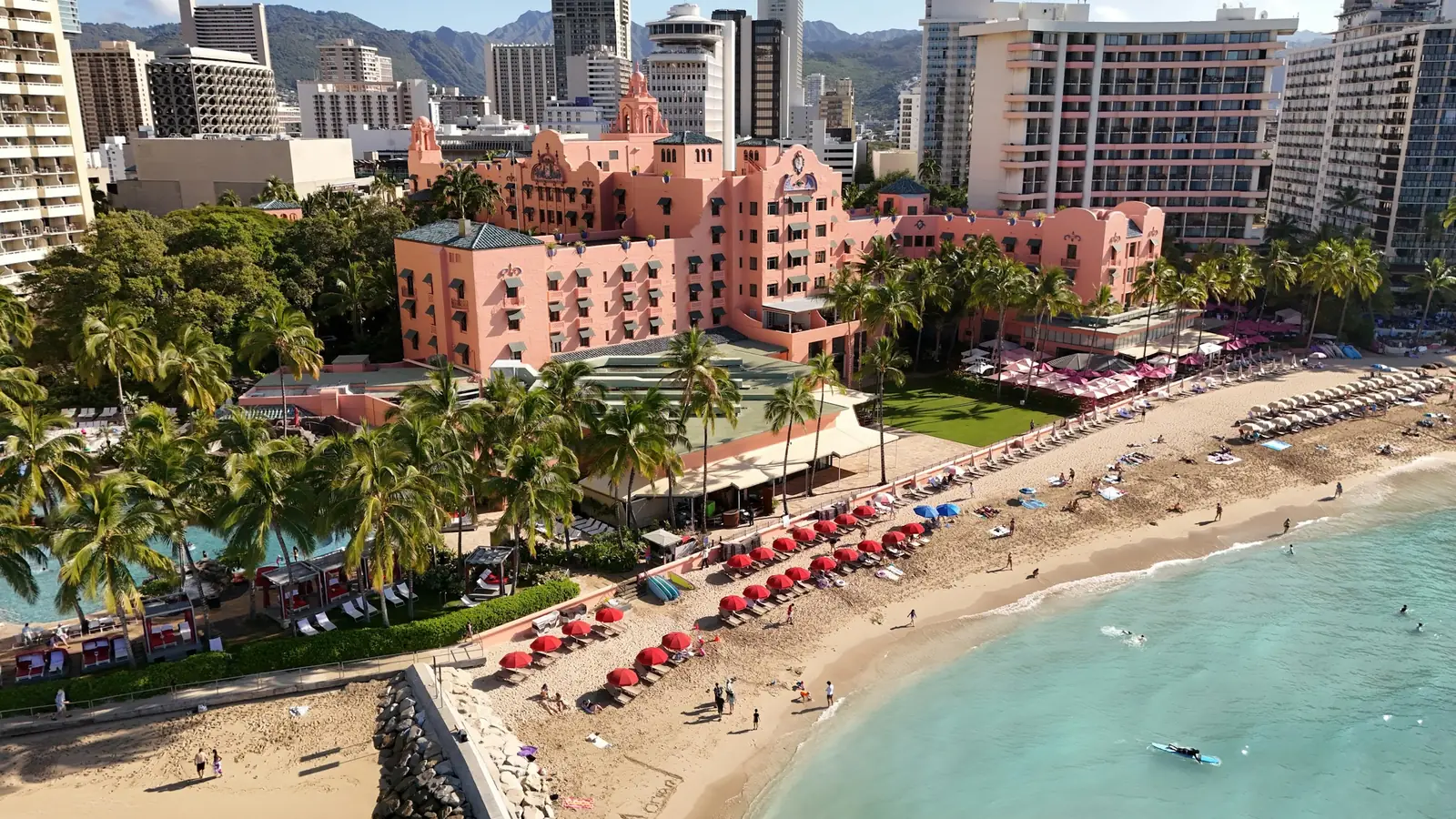
Pacific beaches with US comforts and strong family appeal.
All twelve months are highlighted for Hawaii, but your island and coast matter as much as the date. Official visitor guidance distinguishes the warmer May–October summer from November–April winter. Winter can bring large surf on north-facing shores; choose beach activities for local conditions, not an assumption of calm swimming throughout the year.
A few ways to shape your stay in Hawaii.
Use Waikīkī for an Oʻahu city-and-beach stay; compare Maui or Kauaʻi before committing to a different island routine.
One Hawaiian island can leave more family downtime than an itinerary with repeated airport and accommodation changes.
Keep a few Oʻahu beach days near your base before adding an inter-island flight to the holiday.
Compare Kauaʻi’s landscapes with Maui’s Haleakalā focus, checking access and reservations for the places you choose.
Explore experiences and activities for your trip.
Flights to Hawaii
Compare Hawaii island choices, Oahu city-and-beach time, family pacing and island-hopping costs before planning a holiday from Australia.
Veryaro Editorial · Suggest a correction · Affiliate disclosure
This is the broad Hawaii guide, rather than a guide solely to the island of Hawaiʻi. The official tourism board distinguishes six major visitor islands. Start by deciding what you want from the stay: an Oʻahu city-and-beach combination, or more time on another island. We suggest seven to ten nights on one island for a first trip, adding time before adding an island change.
Oʻahu combines Honolulu and Waikīkī with the option of separate outings elsewhere on the island. It is worth comparing when you want dining, shopping and beach time in the same stay. Kauaʻi puts a different landscape-led trip on the shortlist, while Maui includes the high-elevation landscapes of Haleakalā as well as coastal stays. These are separate island decisions, not neighbouring suburbs. For seven to ten nights, one island can give families more settled time; couples wanting two distinct settings should allow extra days for the airport journey and another check-in.
Make space to learn about Hawaiian culture alongside the beach itinerary. Use local visitor guidance, respect access restrictions and choose activities that fit your interests and ability. Check reservations directly with attractions and parks before travelling. With children, alternate a substantial outing with an easier day close to the accommodation rather than trying to tour an entire island at once.
Choose dates around the island and activities you intend to enjoy, and check current local conditions. Keep ocean plans flexible rather than assuming every beach suits swimming every day. An island change means another airport journey, luggage handling and accommodation check-in. For a shorter trip, the time gained by staying put may be worth more than seeing another island briefly.
Compare the international itinerary with any inter-island travel as a complete trip. Build the budget in Australian dollars using the exchange rate available when you book. Include accommodation taxes and mandatory charges shown in the quote, parking if required, meals and transport. Check the final inclusions carefully: Hawaii should be compared with other holidays on the total cost, rather than an appealing room-only rate. Make a comparison sheet for equal nights and travellers: international and inter-island tickets, baggage, airport travel, accommodation’s final mandatory charges, meals, local transport and booked activities. Convert the quoted currency to AUD consistently and allow for payment or exchange-rate costs where applicable. A second island also adds another transfer day and may need another car booking. For our suggested seven to ten nights, compare one well-located base with the complete cost and usable time of a two-island stay.
Daniel K. Inouye International Airport in Honolulu (HNL) is on Oʻahu; landing there does not put you on Maui or Kauaʻi. Check every airport on the ticket against the island and accommodation you have chosen. If another flight follows, confirm the connection, baggage and separate-ticket arrangements with the airlines. Compare a settled first night on Oʻahu with continuing the same day, using the actual itinerary rather than assuming an island hop is a quick extra outing. Check local calendar dates on both the Australian and Hawaiian legs before counting booked nights.
On Oʻahu, Waikīkī can suit a stay built around local dining and beach time, using walking, public transport, taxis or organised outings as appropriate. A base farther from Honolulu creates different airport and daily journeys; it is not the same car-free city holiday. Map the days you want outside your base before deciding how long to hire a car. Compare parking, fuel, insurance terms and pickup/return arrangements against the excursions you would actually take. For Maui or Kauaʻi, research that island’s transport separately rather than applying an Oʻahu plan.
Use the official visitor guides below to explore the areas and seasons mentioned here. Our suggested stays, pacing and comparisons are VERYARO editorial advice. Highlighted months are planning suggestions, not a weather forecast. Check current conditions and booking arrangements before you travel.
Let’s see where your kind of holiday could take you.