Food
Spend evenings around Osaka food streets, then explore Kyoto markets and neighbourhood restaurants without crossing both cities for every meal.
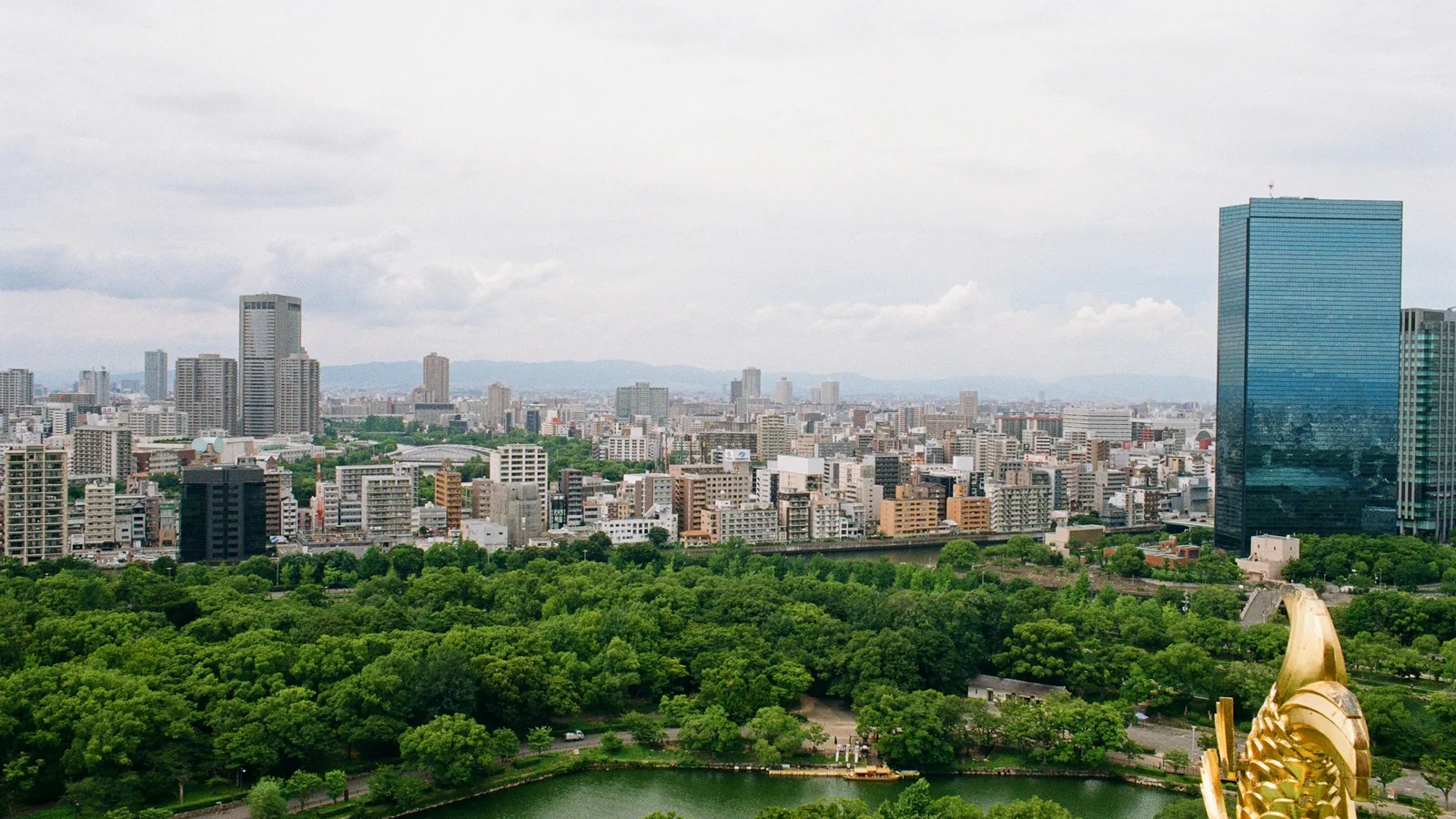
Culture, food and theme parks with excellent rail connections.
Spring and autumn can be popular for blossoms and foliage, but exact timing changes. Summer heat and winter cold affect walking plans; choose a base and daily pace for your travel dates.
A few ways to shape your stay in Osaka & Kyoto.
Spend evenings around Osaka food streets, then explore Kyoto markets and neighbourhood restaurants without crossing both cities for every meal.
Group Kyoto temples, gardens and historic streets by district, leaving time to explore respectfully beyond the busiest photo stops.
Choose a station-friendly base, build in playground and indoor breaks, and keep temple days manageable for younger children.
Allow a separate day for a major ticketed attraction in Osaka, checking official reservations before setting your wider Kansai itinerary.
Explore experiences and activities for your trip.
Flights to Osaka & Kyoto
Compare Osaka and Kyoto bases, airport connections, train journeys, temple days and a realistic Kansai holiday budget from Australia.
Veryaro Editorial · Suggest a correction · Affiliate disclosure
Osaka and Kyoto make a compelling pair, but they reward different daily routines. Osaka suits travellers who want busy evening food streets, shopping and an energetic base after sightseeing. Kyoto is better when early temple visits, traditional neighbourhoods and quieter evenings are the priority. A family may prefer one base to avoid packing twice; couples with a longer stay can split nights.
Decide how often you want to return to each city after dark before choosing accommodation, because a simple day trip is not the same as staying in a neighbourhood. For a five- to seven-night Kansai trip, Osaka is often the easier single base if food, nightlife and straightforward rail access matter most. Choose Namba for an energetic evening atmosphere or Umeda for broad rail connections; neither is universally closest to every attraction.
Kyoto is worth sleeping in when you want to walk Gion or Higashiyama early, before day-trip crowds arrive. Check hotel check-out times and luggage forwarding before committing to a split stay. Travellers who prefer less packing should choose one base and accept that some days involve extra travel.
Kansai International Airport is a common arrival gateway for this region, but the best flight from Australia may connect through another city. Compare the complete journey to your hotel, not only the airfare. Rail connections from the airport serve Osaka, while Kyoto generally involves a longer onward journey or transfer. Itami is a domestic airport option for some connecting itineraries.
If you arrive late with children or heavy luggage, consider the location of the final station, the last transport connection and whether a booked transfer is worth the convenience.
For a first visit, allow several unhurried days for Osaka food districts and attractions and several for Kyoto temples, gardens and neighbourhood walks. Kyoto sights are spread across different districts, so group nearby stops instead of crossing the city repeatedly. Nara can be an appealing additional day trip, but it competes with time in the two main cities.
If your wider Japan itinerary includes Tokyo, check the cost and time of an open-jaw flight compared with returning to Kansai. Leave a lighter day after a long-haul arrival. A workable seven-night outline is three nights in Osaka, three in Kyoto and one flexible night allocated to whichever city matches your interests.
In Osaka, combine Dotonbori and nearby shopping rather than racing across town between meals; reserve a separate day for Osaka Castle Park or a major ticketed attraction. In Kyoto, give eastern temples and streets their own day, and treat Arashiyama or Fushimi Inari as separate geographic clusters. Nara deserves a day only if it is a real priority. For families, schedule playgrounds, indoor breaks and a laundry stop rather than planning sunrise-to-midnight sightseeing.
Frequent rail options link the cities, but your exact hotel-to-attraction journey can take longer than the headline train ride. Osaka accommodation near a useful station may work for Kyoto day trips, while Kyoto Station is practical for travellers moving between regions. Local trains, subways and buses each cover different parts of the cities. For Kyoto, avoid assuming that every landmark is beside a railway stop; some areas need a bus or a walk.
Check the route and luggage rules before choosing a pass, because an expensive rail pass is not automatically the best value.
Osaka is a natural place to explore markets, street food and lively evening districts; Kyoto offers historic streets, shrines, gardens and traditional craft experiences. Keep respectful behaviour in mind around residential lanes and religious sites. With children, plan one main attraction in each half-day rather than an exhausting list of temples. Popular areas can be crowded, particularly during blossom and autumn foliage periods.
Book any limited-entry attractions from their official operator and retain a flexible indoor option if weather changes.
Spring blossoms and autumn colours attract visitors, but timing varies each year and accommodation demand can rise sharply. Summer is often hot and humid; winter can be cold enough to affect long outdoor days. Build a budget that includes intercity transport, local fares, accommodation taxes or fees where applicable, attractions, meals and luggage handling. Compare equivalent hotels by proximity to the station and the areas you will actually visit.
A cheaper room far from your daily route may cost time and additional travel; confirm current rules and prices before paying. Budget comparison works best at the whole-trip level. A lower airfare into Kansai may be offset by extra train travel if your itinerary starts in Tokyo; a slightly dearer hotel beside a useful station may reduce taxis and lost time.
Look separately at room size, bed configuration, breakfast, baggage allowances, attraction reservations and any accommodation tax shown at checkout. Use Japanese yen for local budgeting and convert to Australian dollars using your payment provider's actual rate and fees. If travelling in cherry-blossom or autumn-colour periods, price accommodation before locking in flights because popular dates can narrow your choices quickly. A useful final booking check is to map your first and last travel days.
If your outbound flight leaves Kansai early, an Osaka airport-connected final night may be more comfortable than travelling from Kyoto before dawn. If you have accessibility needs, check station lifts, walking routes and hotel entrance arrangements individually; the shortest rail route on paper is not always the easiest with luggage. Buy timed tickets only after you know your travel dates and have allowed for jet lag.
Leave space for the small discoveries—local food streets, neighbourhood shops and a quiet garden—that make Kansai feel different from a checklist tour.
Use the official visitor guides below to explore the areas and seasons mentioned here. Our suggested stays, pacing and comparisons are VERYARO editorial advice. Highlighted months are planning suggestions, not a weather forecast. Check current conditions and booking arrangements before you travel.
Let’s see where your kind of holiday could take you.